
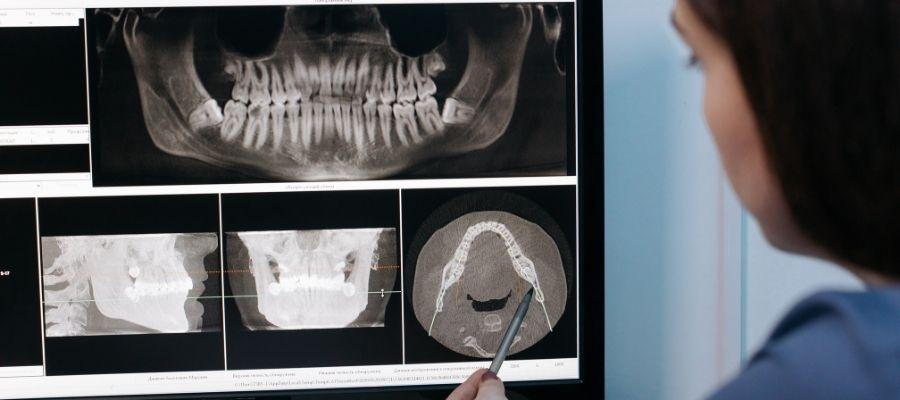
In the world of dentistry, technological advancements have ushered in a new era of diagnostics and patient care. Among these developments, digital dental X-rays stand out as one of the most transformative. Transitioning from traditional film radiography to direct digital radiography has not only streamlined the diagnostic process but has also offered numerous advantages in terms of accuracy, safety, and environmental impact.
Understanding Digital Dental X-rays
Digital dental X-rays, a staple in modern dental imaging techniques, employ intraoral sensors to capture radiographic images of a patient's teeth and gums. These sensors, whether CCD (Charge-coupled device) or CMOS (Complementary metal-oxide-semiconductor), replace the traditional film previously used. The result is an instant image preview, which can be directly viewed on a computer screen, thus eliminating the wait time associated with film development.
Types and Techniques of Digital Radiography
Various techniques cater to different diagnostic needs:
Bitewing Radiography is ideal for detecting cavities between teeth.
Full Mouth Series: Provides a comprehensive view of all teeth.
Orthopantomogram (OPG): Offers a panoramic view of the entire mouth.
Cone-beam Computed Tomography (CBCT): For a three-dimensional image, especially valuable for surgical planning.
Advantages Over Traditional Methods
Digital dental X-rays come with a plethora of benefits. They expose patients to significantly lower levels of radiation, adhering to the ALARA principle (As Low As Reasonably Achievable). The enhanced image manipulation allows dentists to adjust contrast and zoom in on areas of interest, making the detection of pathologies more accurate.
Moreover, the environmental benefits cannot be understated. The shift to digital eliminates the need for film processing chemicals, making it a more eco-friendly option. And with the ease of electronic storage and retrieval, patient data management becomes more efficient.
Safety, Regulations, and Compliance
Despite the reduced radiation levels, safety remains paramount. Dental professionals ensure that protective measures, like the use of lead aprons, are in place. In addition, radiographic record-keeping and obtaining patient informed consent are part of the strict guidelines that clinics adhere to, ensuring patient safety and data privacy.
The Future: Advanced Technologies and Trends
With the advent of teledentistry and remote consultations, digital dental X-rays play a pivotal role in providing accurate diagnostics from a distance. The future also looks promising with the integration of AI-driven diagnostics in radiography. These AI models can assist in the early detection of issues such as bone loss, caries, and anomalies in root structures.
Economic Aspects and Transitioning
While the initial investment for digital dental X-ray equipment might be higher than traditional systems, the ROI becomes evident when considering the cost-benefit analysis. Clinics save on film purchasing and processing costs. Plus, the efficiency and accuracy digital systems offer often translate into higher patient turnover and satisfaction.
Conclusion
Digital dental X-rays have undeniably revolutionized dental diagnostics, combining efficiency with patient safety. As dental professionals continue to embrace advanced technologies like AI and 3D imaging, the reliance on digital radiography will only increase, solidifying its position as an indispensable tool in modern dentistry.
As the landscape of dental care evolves, staying updated with digital radiography courses, hands-on training sessions, and workshops will be vital for professionals, ensuring they harness the full potential of this remarkable technology.